Anti-Looter Kit vs DIY Kit
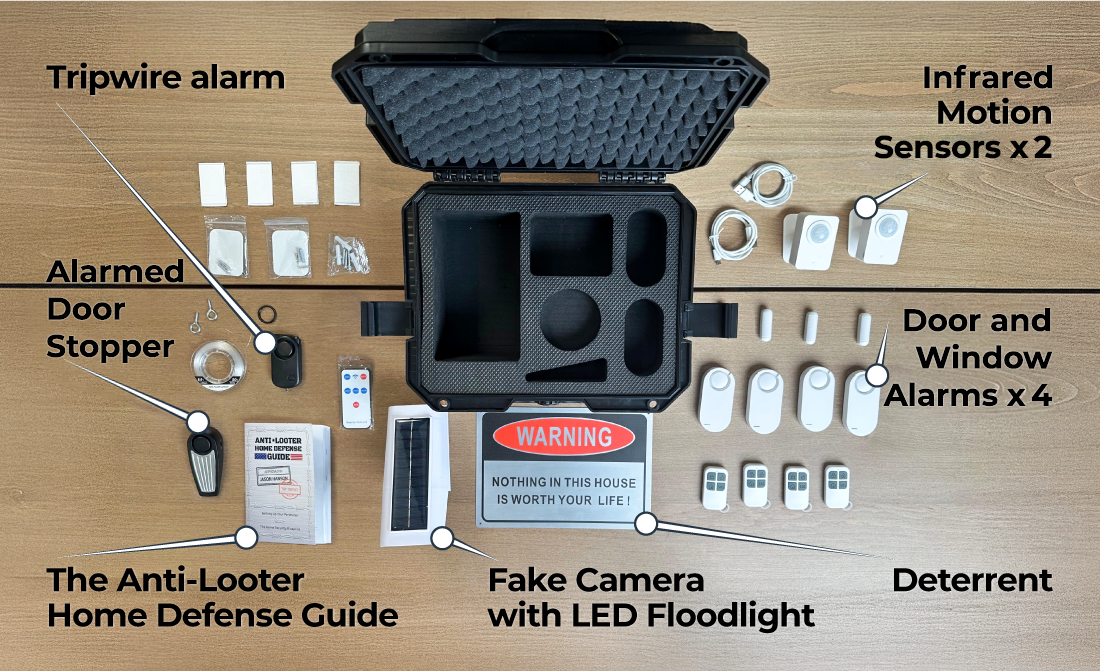
Both routes can work. One buys speed and a checklist; the other buys price and a better fit for unusual doors. The wrong choice is the one you never practice.
How we reviewed this
Reviewed editorially from public vendor information; no hands-on testing claimed.
Quick answer
- Kit saves time
- DIY saves money
- Practice decides
Side-by-side comparison
| Decision factor | Use a vetted tool/course | Do it manually | What to remember |
|---|---|---|---|
| Selection time | One order with curated barriers, lights, and alerts. | You research and buy each category separately. | Choose the kit if time is the constraint. A checklist you already trust can save an hour of comparison shopping. |
| Unit cost | Convenience bundle, often higher than the sum of basic items. | Usually cheaper if you already own some gear. | Choose DIY when price is the constraint. Remember shipping and return costs; they can reverse a small saving. |
| Fit to your home | Standard components may not suit unusual doors. | You choose pieces that match your frames and windows. | Measure first, regardless of route. A brace that does not fit is worse than no brace because it creates false confidence. |
| Instructions | Basic setup guidance is usually included in the box. | You rely on your own checklist and manufacturer pages. | The kit wins for first-time preppers. If you are new to this, follow the included sequence once before improvising. |
| Lighting quality | A battery light is usually included, but output varies. | You can choose brighter lamps and longer runtimes. | Test low-setting runtime before trusting either. Write the observed runtime on the lamp; package claims are a starting guess. |
| Alert options | A simple alert may be part of the bundle. | You can mix local sensors, whistles, and a contact plan. | Avoid anything that needs your home router. A local alert with no app is often more reliable than a smart device with a dead router. |
| Upgrade path | Replace individual pieces as you learn what fails. | Naturally modular from the start. | Both work if you keep a written inventory. Keep one dated inventory sheet; upgrades are only useful when you know what you replaced. |
| Best fit | Starting from zero with a standard home layout. | Partial stock, unusual doors, or a tight budget. | Your starting point decides the winner. Revisit the choice after one practice run; your first assumptions about your home are often wrong. |
Verdict
After one practice run, keep the hybrid that works: a bundle for forgotten categories and custom pieces where your home is unusual.
Frequently asked questions
Which is faster to deploy?
The bundled kit is faster because the pieces are chosen for you. DIY wins on price if you already own items. Speed matters most if you are preparing on short notice before a forecast storm. If you are preparing for a forecast storm, speed matters more than saving a few dollars.
Which is easier to customize?
DIY. You can pick barriers that fit unusual doors and skip items you do not need. A bundle can still be customized, but you may pay for a component you immediately replace. Keep a note of which piece you replaced and why, so the next person does not repeat the mistake.
Can I mix both?
Yes. Many households buy a kit for the checklist and replace one or two pieces with better-fitting DIY items. Keep the original list updated so the next adult in the home knows what changed. Mixing approaches is normal; the checklist should reflect the kit you actually own.
What matters most either way?
Installation practice. An unused premium kit is worse than a cheap brace you know how to fit in the dark. Run a daylight rehearsal twice a year and keep a dated note of the result. A ten-minute drill twice a year is enough to keep either setup honest. Ten minutes is enough; if a drill takes longer, the kit is too complicated.
Back to Home Security & Preparedness
Keep reading
Related offer
Anti-Looter Kit - BRAND NEW!
 Explore Anti-Looter Kit - BRAND NEW!